Wedding Invitations 101: Everything You Need to Know About Your Stationery Suite
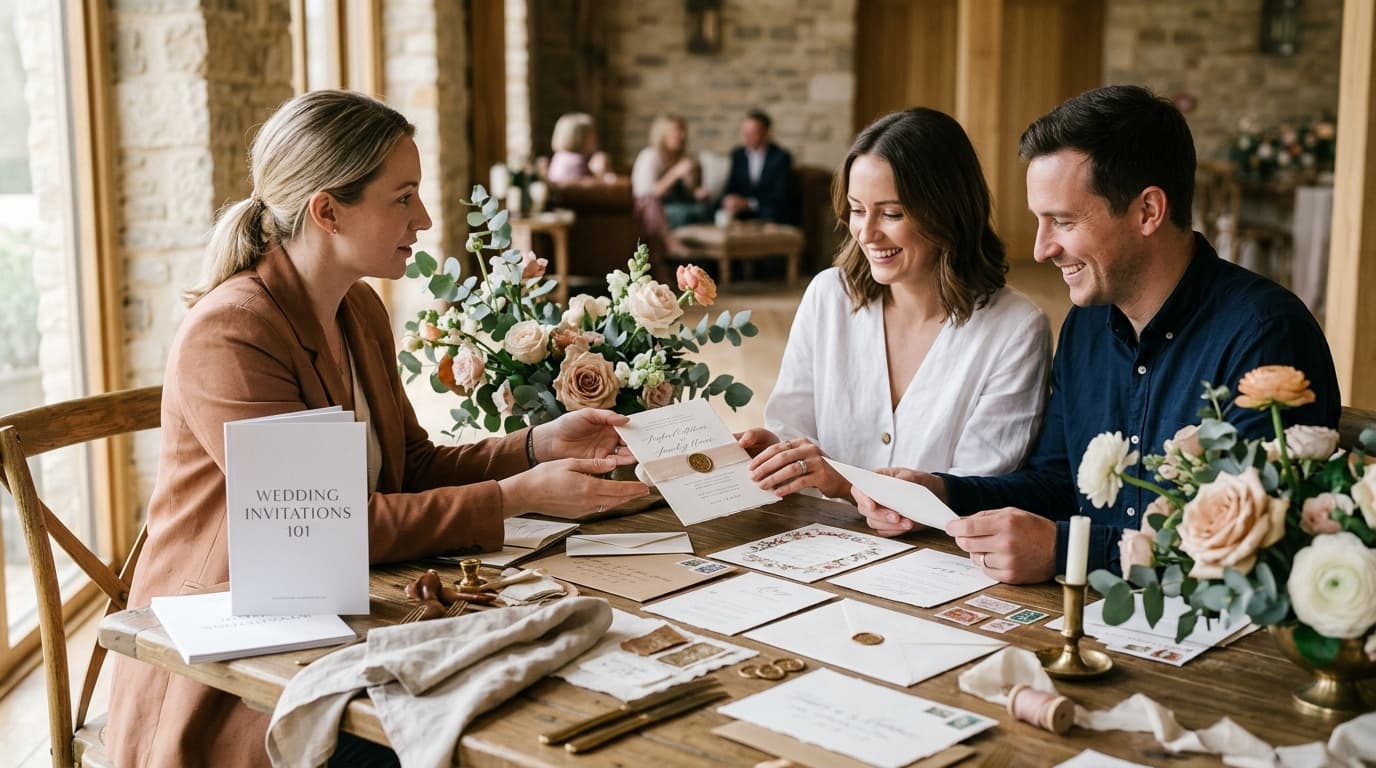
First Impressions Start in the Mailbox
Before guests step foot in your venue, before the first song plays, before a single flower is arranged — your wedding invitation arrives. It’s the first glimpse into your wedding’s personality, and a beautifully crafted stationery suite signals to everyone on your list: this is going to be something special.
Whether you’re envisioning classic elegance, modern minimalism, or whimsical romance, choosing the right wedding stationery involves more thought than most couples expect. Here’s everything you need to know — from timing and wording to paper choices and unexpected costs.
What’s Actually in a Wedding Stationery Suite?
Most couples know they need invitations — but the full suite involves more pieces than you might think:
- Save-the-dates: Sent 6–12 months out, especially for destination or holiday weekend weddings
- Invitations: The main card with date, time, venue, and dress code
- RSVP card + return envelope: How guests confirm their attendance
- Details card: Parking info, hotel room blocks, shuttle schedules, and your wedding website URL
- Envelope liner: An elegant interior detail that adds a pop of color or pattern
- Wedding website card: A small insert directing guests to your registry, FAQs, and travel information
You don’t need every element — but knowing what exists helps you decide what fits your day and your budget.
When to Send Your Wedding Invitations
Timing is everything with stationery. Miss these windows and you risk scrambling — or guests making other plans.
- Save-the-dates: 8–12 months before (earlier for destination weddings or major holiday weekends)
- Invitations: 8–10 weeks before the wedding date
- RSVP deadline: 3–4 weeks before the wedding so you can finalize headcount with your caterer and venue
Pro tip: Always order at least 10–15% more invitations than your guest count to cover last-minute additions, assembly mistakes, and keepsakes.
Paper, Printing, and Finishing Options
The feel of your invitation starts with paper stock and print method. Here are the most popular choices:
Printing styles:
- Digital printing: Most affordable; clean, modern results
- Letterpress: Pressed into thick cotton paper for a timeless, tactile finish — a perennial wedding favorite
- Foil stamping: Gold, silver, or rose gold accents that add glamour and dimension
- Engraving: The most formal option; ink is raised and pressed directly into the paper
Paper weight matters: Standard 60–80 lb stock feels flimsy for weddings. Opt for 100–130 lb cardstock at minimum, or splurge on cotton paper for letterpress work — the texture alone makes an impression.
Traditional vs. Modern Invitation Wording
Invitation wording can feel surprisingly complicated. Here are a few common styles:
Traditional formal:
“Mr. and Mrs. James Monroe request the honor of your presence at the marriage of their daughter…”
Modern and relaxed:
“Together with their families, Sophia and Marcus invite you to celebrate their wedding…”
Contemporary and inclusive:
“Please join us as we begin forever. Sophia Monroe & Marcus Williams, Saturday, the fourteenth of June…”
Whatever style you choose, proofread obsessively — and then hand it to someone else to review again. Typos on 200 printed invitations are an expensive and heartbreaking mistake.
Budgeting for Your Stationery
Wedding stationery costs vary widely. Here’s a realistic range:
- Budget ($200–$500): Digital printing, online templates via Minted, Zola, or Canva
- Mid-range ($500–$1,500): Custom design, quality cardstock, professional assembly
- Luxury ($1,500–$5,000+): Letterpress, foil stamping, calligraphy addressing, full suite with all inserts
Don’t overlook postage — oversized or heavyweight invitations often require additional postage, and hand-calligraphed envelopes may need to be hand-cancelled at the post office. Budget an extra $100–$300 for mailing costs alone.
DIY vs. Hiring a Stationery Designer
Many couples try to DIY invitations to save money. Here’s the honest breakdown:
DIY works when your vision is relatively straightforward, you’re ordering from a reputable template platform (Artifact Uprising, Minted, Zola), and you have the time to manage ordering, proofing, assembly, and mailing.
Hire a designer when your stationery needs to perfectly match a signature aesthetic, you want custom illustration or bespoke calligraphy, or your guest list is large and your timeline is tight. A professional stationer will catch problems you won’t — and the result will look like it belongs at your wedding, not like something printed at home.
Let The Wedding Unicorn Handle the Details
From your invitation suite to your ceremony program to your table escort cards — every piece of paper at your wedding is a detail worth getting right. At The Wedding Unicorn, we help couples in NYC, Westchester, Hudson Valley, and beyond coordinate every element of their event with intention and care, so nothing falls through the cracks.
Ready to start planning? DM us or visit weddingunicorn.com to book a consultation. Let’s build something beautiful together.