How to Eat in Paris Like a Local: Boulangeries, Bistros & Markets (2026)
Eating Paris without the tourist tax
Paris has 44,000 restaurants and approximately four of them are worth crossing the city for on any given block. The gap between a great Paris meal and a mediocre one is usually about fifty meters — the distance between the menu-in-six-languages place on the square and the chalkboard-menu place on the side street.
This guide is how to find the second kind, every day of your trip: the boulangeries worth the line, the bistro rules, the markets, and the café etiquette that gets you seated instead of glared at.
The boulangerie rules
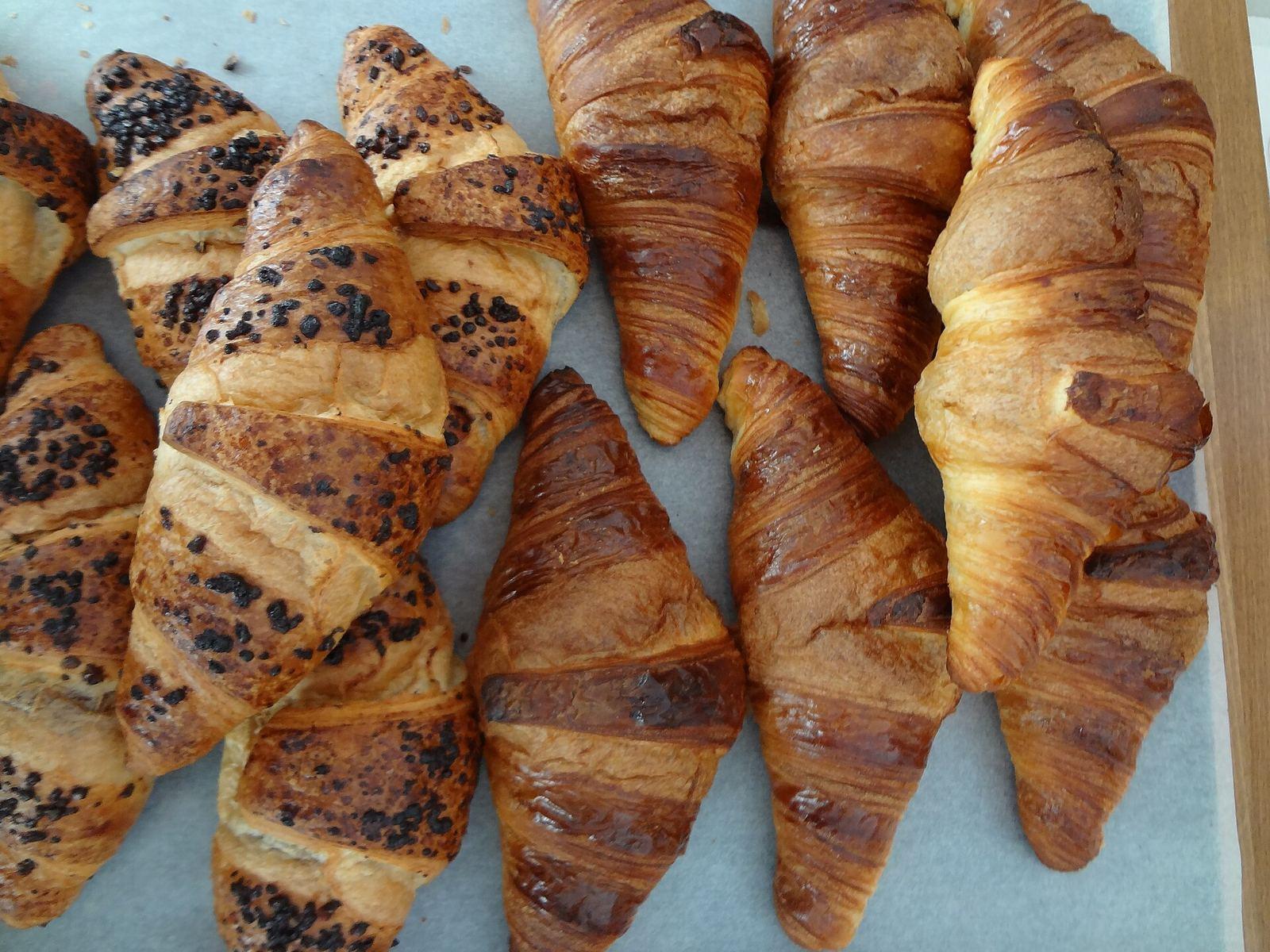
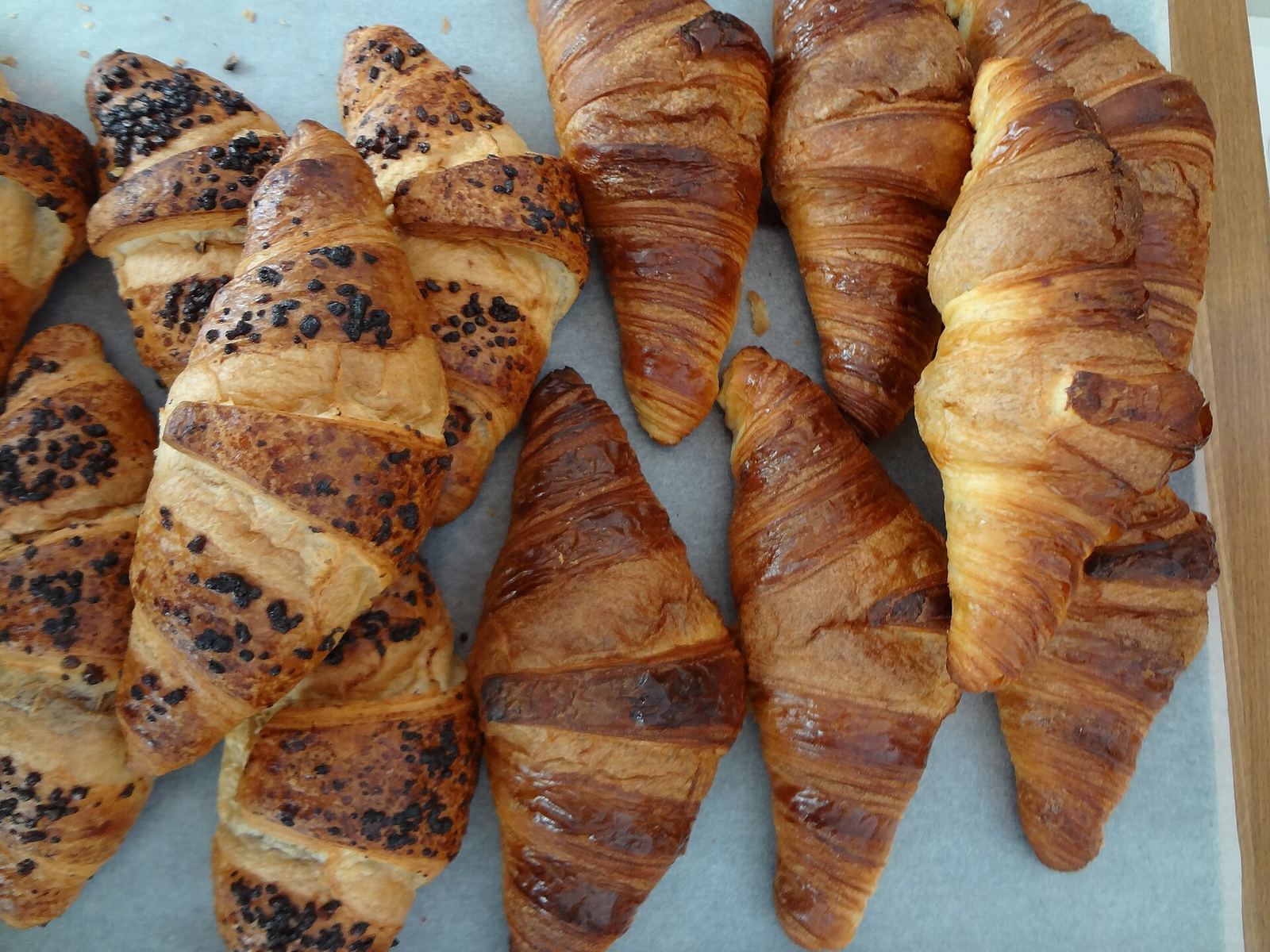
Walk past any bakery window and look for two things: the word artisan in the name (means they bake on-site — the law literally reserves the term) and a queue of locals. Either one alone is a good sign; both together means get in line.
- Baguette tradition (not "baguette classique") is the good one — slower-fermented, crackling crust, about €0.30 more.
- Morning croissants come out of the oven 7–8 a.m.; a 3 p.m. croissant at a half-empty counter is a reheated heartbreak.
- Prix au 100g on the fancy patisserie case means you're paying jewelry-store prices. Sometimes worth it (Pierre Hermé, Cédric Grolet), often not.
Bistros: how to get a great meal at a fair price
The formula is simple. A good neighborhood bistro runs a formule at lunch — two or three courses for €20–28 — using the same kitchen and often the same dishes as dinner à la carte for double. Eat your main meal at 12:30 and your trip gets better and cheaper at once.
| Style | What it is | Expect to pay | Example to try |
|---|---|---|---|
| Bouillon | Historic big-room canteen, French classics | €12–20 mains | Bouillon Chartier (Montmartre) |
| Neighborhood bistro | Chalkboard menu, 20 seats, one chef | €20–28 lunch formule | Side streets of the 11e |
| Wine bar / cave à manger | Natural wine + small plates | €6–14 per plate | Around Rue de Charonne |
| Bakery lunch | Quiche/sandwich + pastry deal | €8–12 | Any busy artisan boulangerie |
Markets: breakfast like a local
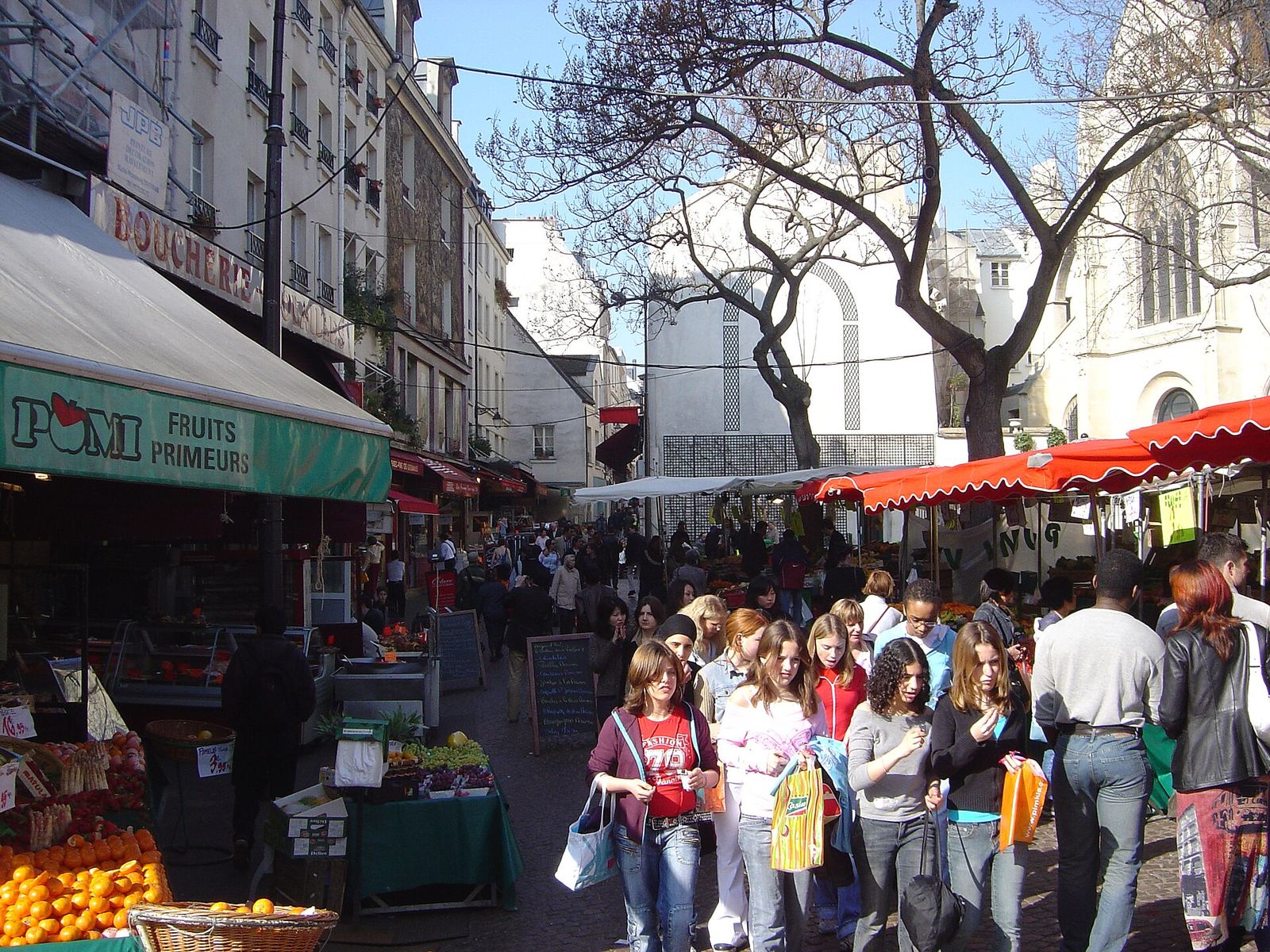
Paris's covered and open-air markets are the cheapest great meal in the city. The Marché d'Aligre (12e) runs mornings Tuesday–Sunday: cheese, roast chicken, North African prepared food at the Beauvau covered hall. The Rue Mouffetard market (5e) is smaller but scenic; Bastille's Thursday/Sunday market is the big central one.
Assemble a picnic — cheese, fruit, a warm chicken, a baguette tradition — and eat it on the Seine quays or in the Luxembourg Gardens. You've just had a €35 restaurant lunch for €10 with a better view.
Café etiquette (or: why the waiter seems rude)
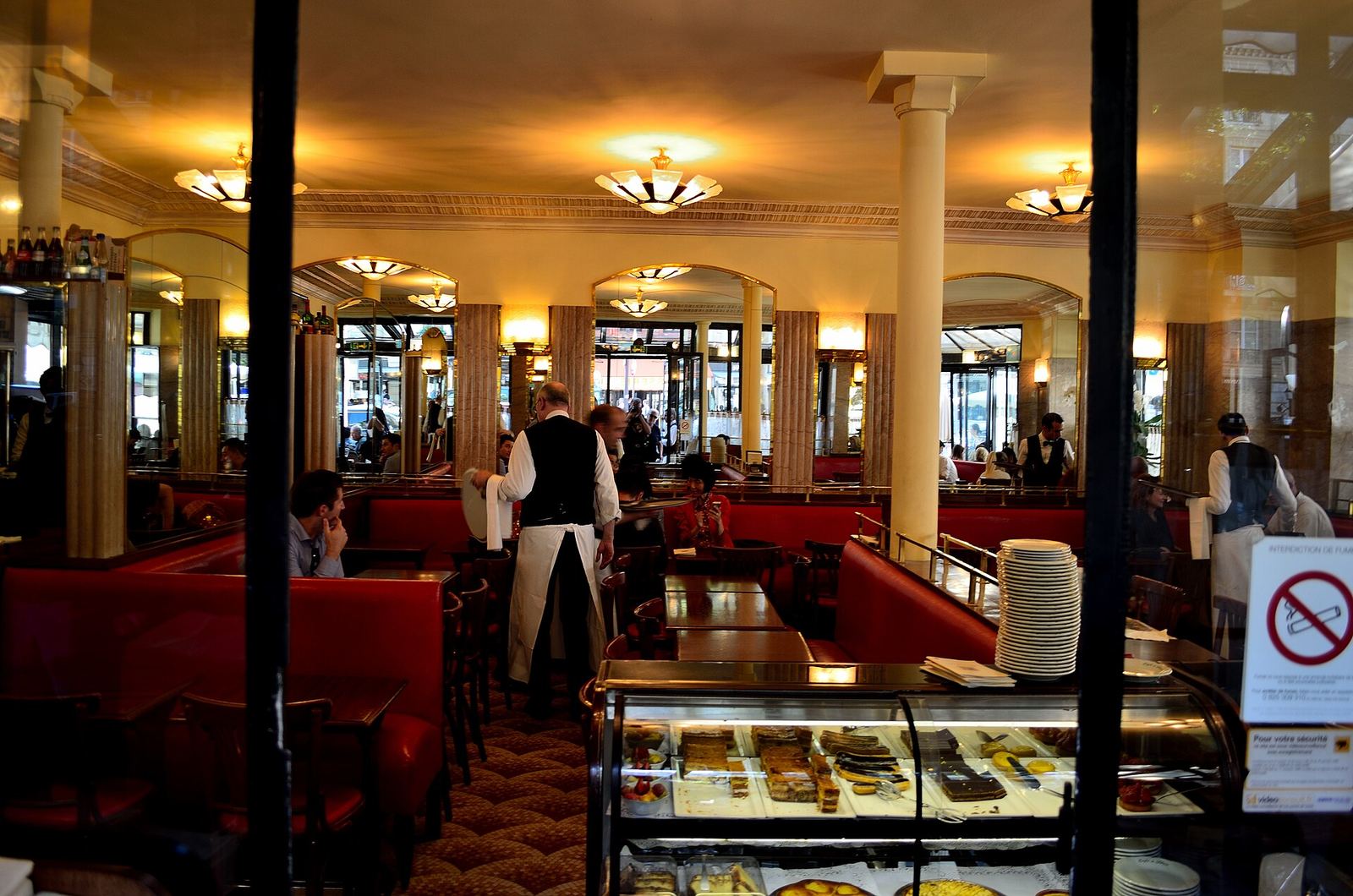
Parisian café service follows rules nobody tells you about. Master them and the stereotype melts:
- Say bonjour first. Walking in and sitting down without greeting the staff is the single biggest tourist error. "Bonjour" is a key; use it and doors open.
- The terrace is for lingering. Your coffee buys you the chair for as long as you want it — nobody will ever bring a check you didn't ask for.
- Ask "l'addition, s'il vous plaît." The check arrives when requested, never before. That's not being ignored; that's respect.
- Stand at the bar for €1.50 off. Coffee at the counter costs less than at a table. Espresso = "un café."
Sweet Paris: beyond macarons
Macarons are fine, but the city's pastry depth runs much further: éclairs with mirror glazes at the grands pâtissiers, canelés caramelized dark, kouign-amann shattering in caramel layers, and — our sleeper pick — the humble flan pâtissier from a working boulangerie in the 11e, which costs three euros and beats half the desserts in the city.
- Splurge: one grand pâtisserie visit, budget €10–15 per pastry, eat it in a garden.
- Save: viennoiserie breakfast from the boulangerie nearest your hotel, every day, different item each time.
The Paris Travel Guide packs 3-, 5-, 7- and 10-day itineraries, all 20 arrondissements, 11 day trips, 246 licensed photos and 43 custom maps into one instant PDF — $3.99, one-time, phone- and print-friendly.
Get the Paris Guide — $3.99 →
Food FAQ
Do I need to tip in Paris restaurants?
Service is included by law. Leaving a euro or two (or ~5% at dinner) for good service is appreciated, never required.
How do I avoid tourist-trap restaurants?
Three red flags: a menu in five or more languages, a staff member outside beckoning you in, photos of the food on the menu. One flag is a warning; three is a walk-away.
When do Parisians eat?
Lunch 12:00–14:00 sharp, dinner from 19:30, never really before. Kitchens close between services — a 3 p.m. "lunch" usually means a reheated crêpe, which is where the markets come in.
Is the water safe / free?
Yes and yes: ask for une carafe d'eau and tap water arrives free. Paris also has a network of public drinking fountains, including a handful that dispense sparkling water.
The Paris Travel Guide packs 3-, 5-, 7- and 10-day itineraries, all 20 arrondissements, 11 day trips, 246 licensed photos and 43 custom maps into one instant PDF — $3.99, one-time, phone- and print-friendly.
Get the Paris Guide — $3.99 →